In today’s fast-paced and often toxic society, more people are seeking ways to take control of their health and well-being. Biohacking offers a powerful approach to optimize your body, mind, and life using science-backed techniques and practices. This beginner’s guide will introduce you to the concept of biohacking and provide simple ways to get started.
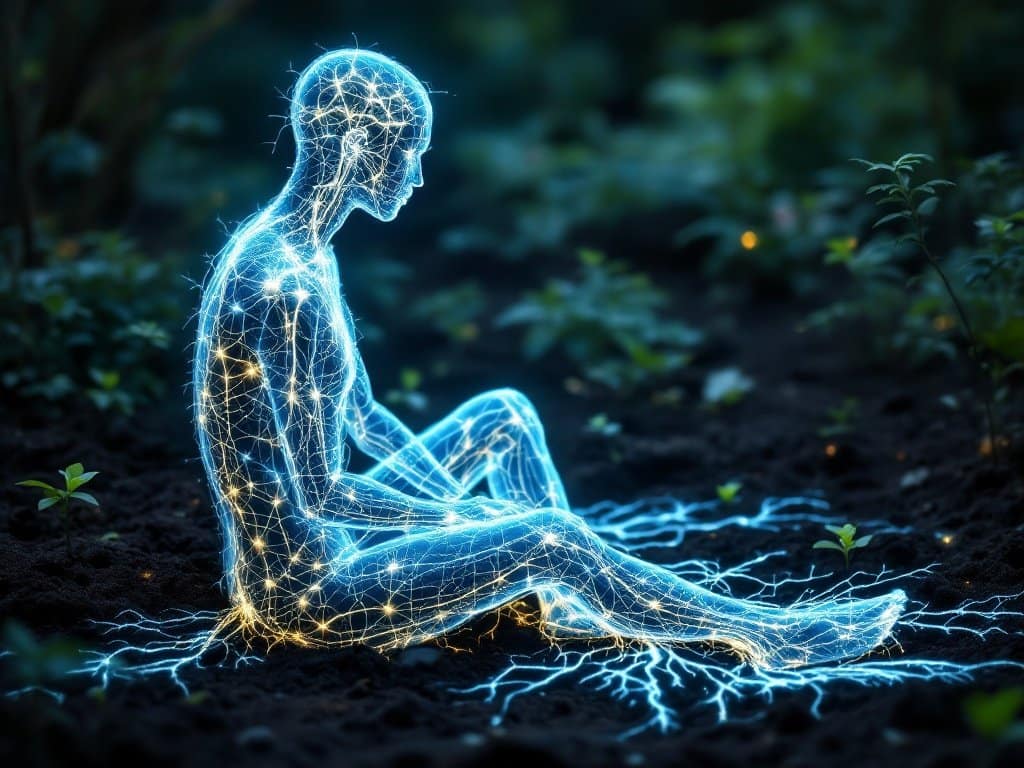
What is Biohacking?
Biohacking, also known as DIY biology, involves making lifestyle changes and using technology to improve your physical and mental performance. From adjusting your diet to using wearable tech to monitor your health, biohacking allows you to take an active role in optimizing your body’s potential.
The term “biohacking” encompasses a wide range of practices, from simple changes like improving sleep hygiene to more experimental approaches such as gene editing. While some methods require professional guidance, many are easy and accessible for beginners.
Why Should You Try Biohacking?
Biohacking appeals to those who want to break free from unhealthy societal norms and reclaim control over their health. Whether you’re looking to boost your energy levels, enhance mental clarity, or simply feel better every day, biohacking offers customizable strategies tailored to your needs.
It also fosters a sense of empowerment by encouraging individuals to take proactive steps toward their well-being. Many biohackers report improved confidence and motivation as they begin to see positive changes in their health.
Science-Backed Benefits of Biohacking
- Improved Sleep Quality: Simple adjustments like maintaining a consistent sleep schedule or using blue-light-blocking glasses have been shown to enhance sleep. Studies suggest that quality sleep is critical for overall health and cognitive function (Walker, 2017).
- Enhanced Focus and Productivity: Practices such as mindfulness meditation and nootropics (natural supplements or drugs that improve brain function) have been shown to support cognitive performance (Lardner, 2015).
- Increased Energy: Intermittent fasting and cold exposure can improve mitochondrial function, boosting your energy and metabolism (Seals & Melov, 2014).
- Strengthened Immune System: Emerging research suggests that certain biohacks, like regular physical activity and optimized nutrition, can strengthen your immune response and reduce the risk of chronic diseases (Pedersen & Saltin, 2015).
Easy Biohacks to Get Started
- Optimize Your Sleep:
- Stick to a regular sleep schedule.
- Limit blue light exposure before bed.
- Use blackout curtains to create a dark sleep environment.
- Experiment with Intermittent Fasting:
- Start with a 12-hour fasting window and gradually increase it.
- Research suggests fasting may improve energy and reduce inflammation (Longo & Mattson, 2014).
- Try Cold Showers or Ice Baths:
- Cold exposure can stimulate fat-burning and boost mood through endorphin release (Tipton, 2015).
- Incorporate Mindfulness Practices:
- Dedicate 10 minutes daily to mindfulness meditation.
- Proven benefits include reduced stress and increased focus (Lardner, 2015).
- Monitor Your Health Metrics:
- Use wearable devices to track your heart rate, sleep, and activity levels.
- Data-driven insights help you identify areas for improvement.
- Embrace Nature and Sunlight:
- Spending time outdoors and soaking in natural sunlight can improve your mood and help regulate your sleep cycle. Studies show that exposure to nature reduces stress and enhances well-being (Bratman et al., 2019).
- Focus on Gut Health:
- Consuming probiotics, fermented foods, and a fiber-rich diet can promote a healthy gut microbiome, which plays a crucial role in mental and physical health (Mayer et al., 2015).
Precautions for Beginners
While biohacking offers numerous benefits, it’s essential to start slow and consult with a healthcare professional if you plan to try advanced techniques. Not all methods are suitable for everyone, and it’s crucial to prioritize safety.
Additionally, be mindful of how your body responds to new changes. Biohacking is highly individual, and what works for one person might not work for another. Listen to your body and adjust accordingly.
Conclusion
Biohacking is an exciting and empowering way to take charge of your health in a society that often promotes unhealthy habits. By starting with simple, science-backed techniques like improving your sleep, experimenting with intermittent fasting, and practicing mindfulness, you can begin to unlock your full potential.
The journey to better health through biohacking is about progress, not perfection. Embrace the process, celebrate small victories, and enjoy discovering what works best for your unique body and mind.
Are you ready to step into a healthier, more vibrant life through biohacking? Start small, stay curious, and embrace the journey.
Explore my HUB for comprehensive resources, protocols, and routines to enhance your overall health and well-being—start your journey today!
References
- Bratman, G. N., Hamilton, J. P., Hahn, K. S., Daily, G. C., & Gross, J. J. (2019). Health benefits of nature exposure. Science Advances, 5(7), eaax0903. https://doi.org/10.1126/sciadv.aax0903
- Lardner, A. L. (2015). Cognitive enhancement through mindfulness. Mindfulness, 6(3), 1-12. https://doi.org/10.1007/s12671-014-0348-0
- Longo, V. D., & Mattson, M. P. (2014). Benefits of fasting on metabolic health. Cell Metabolism, 19(2), 181–192. https://doi.org/10.1016/j.cmet.2013.12.008
- Mayer, E. A., Knight, R., Mazmanian, S. K., Cryan, J. F., & Tillisch, K. (2015). Gut-brain axis and health. Nature Reviews Gastroenterology & Hepatology, 12(8), 453–466. https://doi.org/10.1038/nrgastro.2015.116
- Pedersen, B. K., & Saltin, B. (2015). Exercise and immune function: A review. Journal of Applied Physiology, 119(6), 819–828. https://doi.org/10.1152/japplphysiol.00323.2015
- Seals, D. R., & Melov, S. (2014). Mitochondrial function and lifestyle interventions. Cell Metabolism, 20(6), 768–774. https://doi.org/10.1016/j.cmet.2014.10.011
- Tipton, M. J. (2015). Benefits of cold therapy on health and recovery. Extreme Physiology & Medicine, 4(1), 1–8. https://doi.org/10.1186/s13728-015-0037-3
- Walker, M. P. (2017). Sleep and its role in health and performance. Science, 359(6376), 793-798. https://doi.org/10.1126/science.359.6376.793