In a toxic society filled with chemicals and pollutants, it’s crucial to take control of your environment to create a healthier lifestyle. From the air we breathe to the products we use daily, our surroundings significantly impact our health. This beginner’s guide provides actionable tips to help you reduce exposure to toxins in your home and personal care products, supported by science-backed insights.
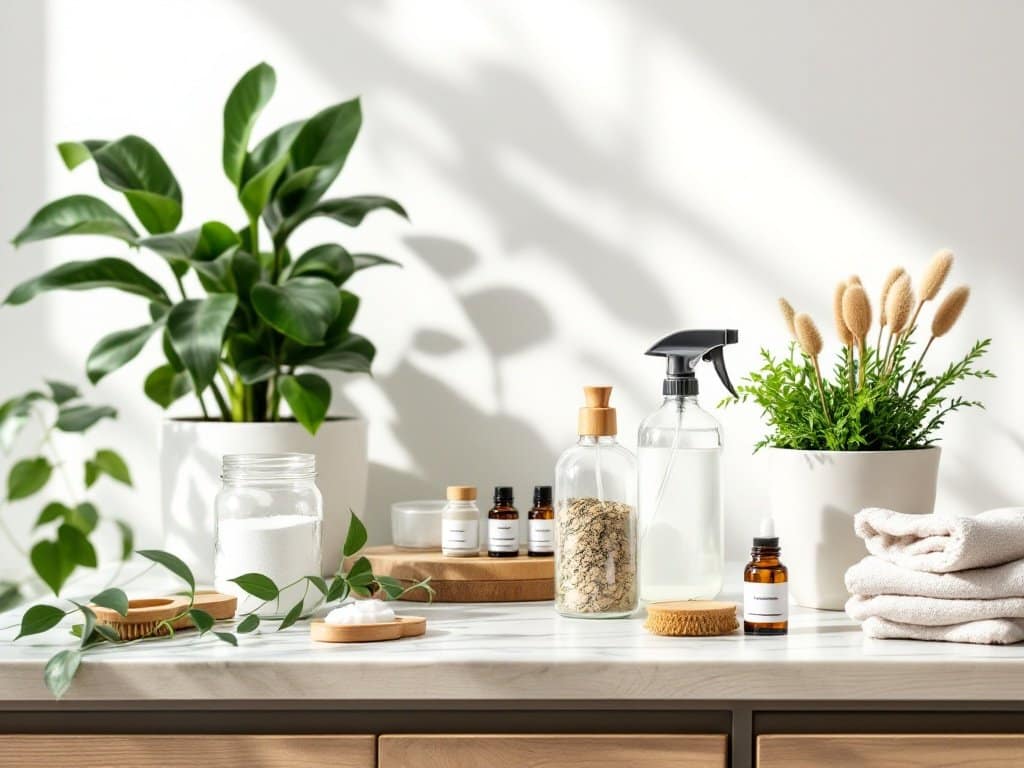
Why Detoxing Your Environment Matters
Exposure to toxins from household products, air pollutants, and synthetic chemicals can lead to various health issues, including hormonal imbalances, allergies, and even long-term risks like cancer (Landrigan et al., 2018). Children and pregnant individuals are especially vulnerable, making it even more critical to take steps toward detoxifying your daily environment. By reducing these exposures, you not only lower your risk of chronic illnesses but also support overall well-being and longevity.
Tips for Reducing Toxins in Your Home
1. Improve Indoor Air Quality
- Ventilate Regularly: Open windows daily to let fresh air in and reduce indoor air pollution. Use exhaust fans in kitchens and bathrooms to remove moisture and fumes.
- Add Air-Purifying Plants: Plants like peace lilies, snake plants, and spider plants can help filter airborne toxins (Wolverton et al., 1989).
- Invest in Air Purifiers: HEPA filters can capture dust, allergens, and pollutants, improving air quality in your living spaces. For added effectiveness, choose purifiers with activated carbon filters to eliminate odors and chemical toxins.
2. Choose Non-Toxic Cleaning Products
- Avoid Harsh Chemicals: Many cleaning products contain ammonia, bleach, and other harmful chemicals. Opt for natural alternatives like vinegar, baking soda, and castile soap.
- Read Labels: Look for certifications like “Eco-friendly” or “Non-toxic” to ensure products are safe for your home. Be cautious of “greenwashing”—always verify claims with third-party certifications.
- DIY Cleaners: Make your own cleaning solutions using simple ingredients. For example, mix vinegar and water for an all-purpose spray, or use baking soda as a scrubbing agent for sinks and tubs.
3. Switch to Natural Personal Care Products
- Avoid Harmful Ingredients: Watch out for parabens, phthalates, and sulfates in shampoos, soaps, and skincare products. Studies have linked these chemicals to hormonal disruption and other health concerns (Dodson et al., 2012).
- Simplify Your Routine: Opt for products with fewer ingredients and natural components like shea butter, coconut oil, and essential oils. A simplified approach reduces your exposure to potentially harmful substances.
- Check Certifications: Choose products labeled “organic,” “cruelty-free,” or “EWG Verified” for safer options. Use apps like Think Dirty or EWG’s Skin Deep to assess the safety of your current products.
4. Reduce Plastics
- Use Glass or Stainless Steel: Store food in glass or stainless steel containers instead of plastic to reduce exposure to bisphenol A (BPA) and other endocrine-disrupting chemicals (Rochester, 2013).
- Avoid Plastic Wrap: Replace single-use plastic wraps with reusable beeswax wraps or silicone alternatives.
- Check Plastic Codes: Avoid plastics labeled #3 (PVC) and #7 (may contain BPA). Choose safer plastics, such as those labeled #1, #2, or #5.
5. Filter Your Water
- Install Water Filters: Use filters to remove contaminants like chlorine, lead, and pesticides from your tap water. Reverse osmosis and carbon-based filters are effective options. Ensure you replace filters regularly for optimal performance.
- Avoid Bottled Water: Plastic bottles can leach chemicals into the water, especially when exposed to heat. Invest in a reusable bottle made from glass or stainless steel. Additionally, avoid storing water in plastic containers for extended periods.
6. Be Mindful of Household Items
- Choose Low-VOC Paints: Volatile organic compounds (VOCs) in paints and finishes can release harmful fumes. Opt for low-VOC or VOC-free products to minimize indoor air pollution.
- Replace Synthetic Fragrances: Air fresheners, scented candles, and laundry detergents often contain phthalates and synthetic fragrances. Use natural alternatives like essential oils, soy-based candles, or fragrance-free products.
- Inspect Furniture and Carpets: Avoid items treated with flame retardants and opt for organic or untreated materials whenever possible. For existing furniture, consider using protective covers to reduce exposure to chemicals.
7. Educate Yourself and Stay Informed
Knowledge is a powerful tool in detoxifying your environment. Stay updated on new research, product recalls, and safer alternatives. Follow credible sources, such as the Environmental Working Group (EWG) or the National Institute of Environmental Health Sciences (NIEHS), to make informed decisions.
Conclusion
Detoxifying your daily environment doesn’t have to be overwhelming. By making small, intentional changes, such as improving air quality, choosing non-toxic products, and reducing plastics, you can create a healthier, toxin-free space. These steps not only benefit your health but also contribute to a more sustainable lifestyle.
Remember, every small step matters. Start with one change, such as switching to natural cleaning products or filtering your water, and build from there. Over time, these efforts will transform your living space into a sanctuary of health and well-being.
Explore my HUB for comprehensive resources, protocols, and routines to enhance your overall health and well-being—start your journey today!
References
- Landrigan, P. J., Fuller, R., Acosta, N. J., Adeyi, O., Arnold, R., Baldé, A. B., … & Zhong, M. (2018). The Lancet Commission on pollution and health. Retrieved from https://consensus.app/papers/environmental-pollution-global-health-review-landrigan/78f11e45f4324ae7ad248ba56d83387c/
- Wolverton, B. C., Johnson, A., & Bounds, K. (1989). Interior landscape plants for indoor air pollution abatement. Retrieved from https://consensus.app/papers/houseplants-remove-airborne-pollutants-wolverton/1f03d3d94e719bccf81647e64a5e8a0d/
- Dodson, R. E., Nishioka, M., Standley, L. J., Perovich, L. J., Brody, J. G., & Rudel, R. A. (2012). Endocrine disruptors and personal care products. Retrieved from https://consensus.app/papers/phthalates-parabens-hormonal-effects-dodson/7a4903c31c7d4126ab6f7bd90bcfda97/
- Rochester, J. R. (2013). Bisphenol A and human health: A review of the evidence. Retrieved from https://consensus.app/papers/bpa-endocrine-disruptor-rochester/4d8289e56fa32a9e8534ef1dfc4d52cb/
