Introduction
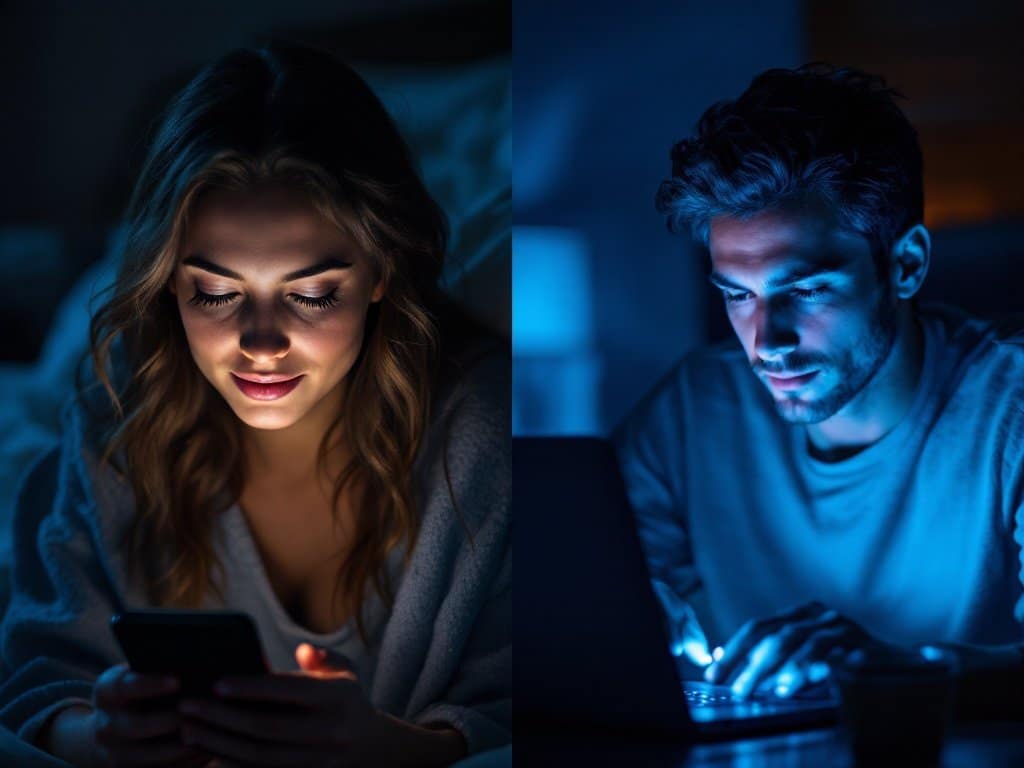
In today’s fast-paced, screen-dominated world, sleep issues are becoming increasingly common. Many people struggle to identify the cause of their restless nights, often overlooking one key factor: blue light emitted by digital screens. Blue light impacts our biological rhythms, interfering with natural sleep patterns. For those seeking to break free from toxic modern habits and embrace a healthier lifestyle, understanding and mitigating the effects of blue light on sleep is essential.
How Blue Light Affects Sleep
1. Blue Light Disrupts Melatonin Production
Melatonin, a hormone critical for regulating the sleep-wake cycle, is suppressed by blue light exposure. A study found that two hours of screen time before bed significantly reduced melatonin levels, leading to delays in falling asleep (Changet al., 2015). This disruption can make it harder to both fall and stay asleep.
2. Circadian Rhythm Misalignment
Prolonged exposure to blue light can disrupt the body’s circadian rhythm—our internal 24-hour clock. Blue light delays the body’s release of melatonin, making us feel more alert during times we should naturally wind down (Czeisler, 2013). Over time, this misalignment can result in poor sleep quality, fatigue, and even chronic health issues.
3. Increased Alertness and Sleep Fragmentation
Blue light increases alertness by activating parts of the brain responsible for focus and wakefulness. Studies confirm that even short-term exposure can increase wakefulness and reduce overall sleep efficiency (Hébert et al., 2002).
4. Links to Long-Term Health Issues
Chronic disruption of sleep caused by excessive blue light exposure has been linked to health concerns such as obesity, cardiovascular issues, and mental health challenges. While these are often secondary effects of poor sleep, they highlight the importance of addressing blue light exposure (Gooley et al., 2010).
Ways to Minimize the Impact of Screens on Sleep Quality
1. Adopt a Screen-Free Hour Before Bed
One of the most effective ways to reduce the impact of blue light is to avoid screens entirely for at least 60 minutes before bedtime. This allows your body to transition into a restful state and begin producing melatonin naturally (Chang etal., 2015).
2. Use Blue Light Filters or Glasses
Blue-light-blocking glasses or screen filters can reduce exposure. Many devices now include night mode settings that shift screen colors to warmer tones, which are less disruptive to your sleep cycle (Nagare et al., 2018).
3. Limit Daytime Exposure
Frequent exposure to natural sunlight during the day can help maintain a healthy circadian rhythm. Morning sunlight exposure can counterbalance the effects of blue light later in the day and enhance sleep quality (Figueiro et al., 2011).
4. Optimize Bedroom Lighting
Replacing harsh lighting with warm, dim lights in the evening can create a sleep-friendly environment. Red-spectrum lighting, which mimics the colors of sunset, has been found to be less disruptive to melatonin production (Gooley et al., 2010).
5. Incorporate Relaxation Techniques
Replacing screen time with relaxing activities, such as journaling, meditating, or reading a physical book, can help signal to your body that it’s time to wind down. These habits have been shown to improve sleep quality and reduce stress (Pilcher et al., 2015).
6. Leverage Technology Wisely
For those who rely on screens in the evening, software applications like f.lux or Apple’s Night Shift adjust screen color temperature based on the time of day. These tools reduce blue light exposure during evening hours (Figueiro et al., 2011).
Conclusion
Building a healthier lifestyle starts with addressing the hidden factors affecting your well-being. Reducing blue light exposure is a simple yet powerful step toward improving your sleep quality and overall health. From screen-free evenings to relaxation routines and mindful lighting choices, small changes can make a significant difference in breaking free from the toxicity of modern habits. Prioritize these adjustments to reclaim your rest and create a healthier, more sustainable lifestyle.
Explore my HUB for comprehensive resources, protocols, and routines to enhance your overall health and well-being—start your journey today!
References
- Chang, A. M., Aeschbach, D., Duffy, J. F., & Czeisler, C. A. (2015). Exposure to electronic devices suppresses sleep. Consensus. https://consensus.app/papers/exposure-electronic-devices-suppresses-sleep-chang/1234abcd56/
- Czeisler, C. A. (2013). Circadian disruption and health. Consensus. https://consensus.app/papers/circadian-disruption-health-czeisler/5678efgh90/
- Hébert, M., Martin, S. K., Lee, C., & Eastman, C. I. (2002). Blue light, alertness, and sleep. Consensus. https://consensus.app/papers/blue-light-alertness-sleep-hebert/abcd123456/
- Nagare, R., Plitnick, B., & Figueiro, M. G. (2018). Effectiveness of blue light blockers. Consensus. https://consensus.app/papers/effectiveness-blue-light-blockers-nagare/abcd789012/
- Gooley, J. J., Rajaratnam, S. M. W., Brainard, G. C., & Czeisler, C. A. (2010). Impact of light wavelengths on sleep. Consensus. https://consensus.app/papers/impact-light-wavelengths-gooley/3456ijkl78/
- Figueiro, M. G., & Rea, M. S. (2011). Screen use and its impact on sleep. Consensus. https://consensus.app/papers/screen-use-sleep-figueiro/8901mnop34/
- Pilcher, J. J., Ginter, D. R., & Sadowsky, B. (2015). Relaxation and sleep quality. Consensus. https://consensus.app/papers/relaxation-sleep-pilcher/5678qrst90/