In a world dominated by fast food and busy schedules, preparing healthy meals can feel like an impossible task. However, meal prepping offers a powerful way to take control of your diet, save time, and maintain a balanced lifestyle. Here’s your ultimate guide to start planning healthy meals and build a sustainable routine that supports your health goals.
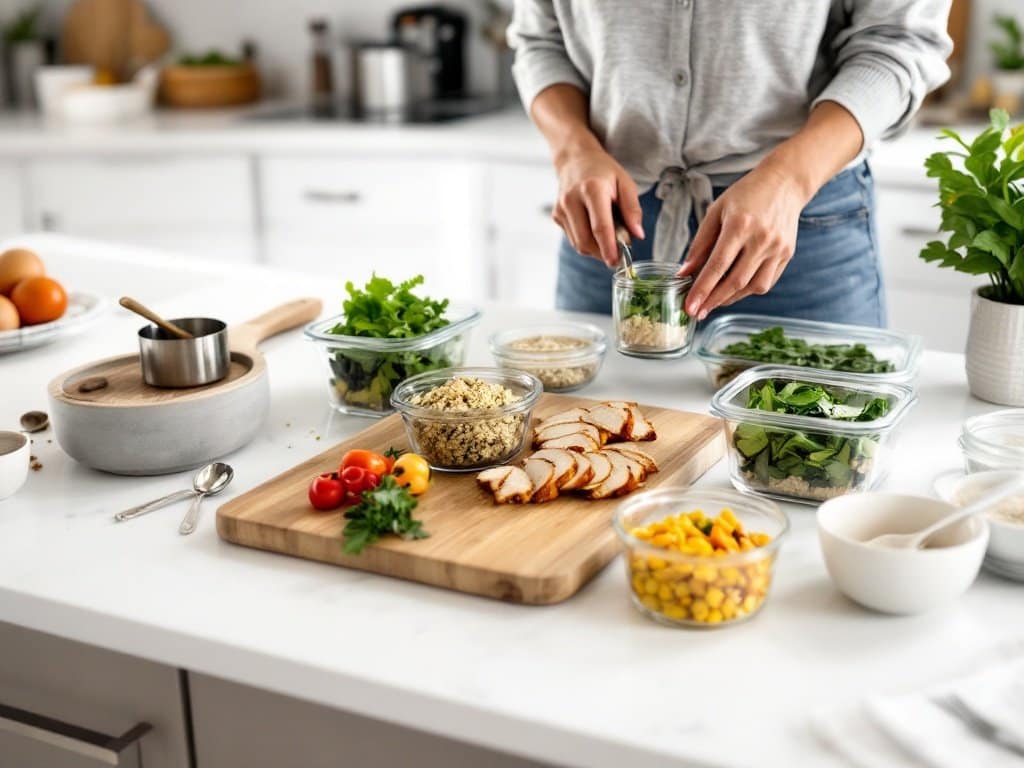
1. Understand the Benefits of Meal Prep
Meal prepping isn’t just about saving time; it’s a strategy for healthier eating. Studies show that individuals who prepare meals in advance are more likely to consume nutrient-dense foods and less likely to rely on unhealthy, processed options (McGowan et al., 2017). Some key benefits include:
- Reduced stress around daily meal decisions.
- Improved portion control and reduced food waste.
- Consistency in meeting nutritional goals.
- Financial savings from fewer takeout orders and better use of groceries.
2. Start Small: Choose One Meal to Prep
For beginners, it’s essential to avoid overwhelm. Start with prepping just one meal per day, such as lunches for the workweek. This allows you to ease into the process without feeling pressured to plan every meal at once.
Pro Tip: Choose meals that align with your dietary needs and preferences to make the process enjoyable. For example, if mornings are rushed, consider prepping breakfast items like overnight oats or egg muffins.
3. Plan Balanced Meals
Every meal should include the right balance of macronutrients and micronutrients. Here’s a simple formula:
- Protein: Essential for muscle repair and growth. Examples: chicken breast, lentils, tofu.
- Carbohydrates: Prioritize whole grains and vegetables for sustained energy. Examples: quinoa, brown rice, sweet potatoes.
- Fats: Incorporate healthy fats like avocado, olive oil, or nuts.
- Fiber: Add vegetables and legumes to promote digestion and satiety.
Example Balanced Meal: Grilled salmon, quinoa, and roasted broccoli with olive oil.
4. Invest in Quality Storage Containers
Using proper storage containers can make a big difference in your meal prep experience. Look for:
- BPA-free plastic or glass containers for safe food storage.
- Containers with compartments to separate different food items.
- Stackable designs for easy organization in your fridge or freezer.
Pro Tip: Label your containers with the preparation date to keep track of freshness and avoid food spoilage.
5. Batch Cook and Repurpose Ingredients
Batch cooking is a time-saving strategy that involves preparing large quantities of staple ingredients. Examples include:
- Cooking a big batch of quinoa or brown rice to use in salads, bowls, and side dishes.
- Roasting multiple trays of vegetables to pair with proteins throughout the week.
- Preparing versatile proteins like chicken breast or tofu that can be used in wraps, salads, or stir-fries.
Quick Tip: Repurpose leftovers creatively—yesterday’s roasted veggies can become today’s soup base or stir-fry ingredient.
6. Create a Weekly Menu and Grocery List
A successful meal prep routine starts with planning. Dedicate time each week to:
- Plan your meals: Decide on 3-5 recipes to prepare.
- Write a detailed grocery list: Include all necessary ingredients to avoid multiple store trips.
- Stick to your plan: Avoid impulse purchases that can derail your healthy eating goals.
Example Grocery List Item: If one of your meals includes a chicken and vegetable stir-fry, you might list: chicken breast (1 lb), broccoli (2 cups), bell peppers (2), soy sauce, and sesame oil.
7. Prioritize Fresh, Whole Ingredients
Focus on minimally processed foods to maximize nutrient intake and avoid added sugars and preservatives. Look for seasonal produce, which is often fresher, tastier, and more affordable. For instance, berries in summer and root vegetables in winter are excellent options.
8. Make It Sustainable and Fun
Meal prep shouldn’t feel like a chore. Add variety and excitement to keep it sustainable:
- Experiment with new recipes and cuisines.
- Use spices and herbs to enhance flavors.
- Prep with a friend or family member for added motivation.
- Rotate meal themes each week, such as Mediterranean, Mexican, or Asian-inspired dishes.
9. Monitor Portions to Avoid Overeating
Even healthy foods can lead to excess calorie intake if portions are too large. Use tools like a food scale or measuring cups to ensure proper portion sizes.
Example: A portion of cooked pasta is typically 1 cup, while a serving of protein should be around 3-4 ounces. Use visuals—like a deck of cards for protein or a tennis ball for carbohydrates—to estimate portions more easily.
10. Review and Adjust
Meal prepping is a learning process. Take time to reflect on what works and what doesn’t. Adjust portion sizes, recipes, and schedules to align with your lifestyle and health goals. Keep a log of your favorite meal prep successes to revisit for inspiration.
11. Use Freezing for Long-Term Prep
If you want to reduce cooking frequency further, consider freezing meals for later use. Certain dishes, like soups, casseroles, and stews, freeze exceptionally well. Divide meals into individual portions before freezing to make defrosting quick and easy.
Pro Tip: Always label freezer meals with the dish name and preparation date.
Conclusion: Empower Your Healthy Lifestyle
Meal prepping is more than just a trend; it’s a tool to help you take charge of your health and break free from toxic food habits. By starting small, planning balanced meals, and staying consistent, you’ll create a sustainable routine that supports your goals and simplifies your life. Remember, the journey to a healthier you starts with a single, prepped meal.
Explore my HUB for comprehensive resources, protocols, and routines to enhance your overall health and well-being—start your journey today!