In today’s fast-paced world, many people are seeking to escape a toxic society and create their own healthy lifestyle. One critical factor to address in this journey is inflammation, a biological response that plays a significant role in the aging process. By understanding the mechanisms behind inflammation and taking proactive steps to reduce it, you can improve your health, slow the aging process, and enhance your quality of life.
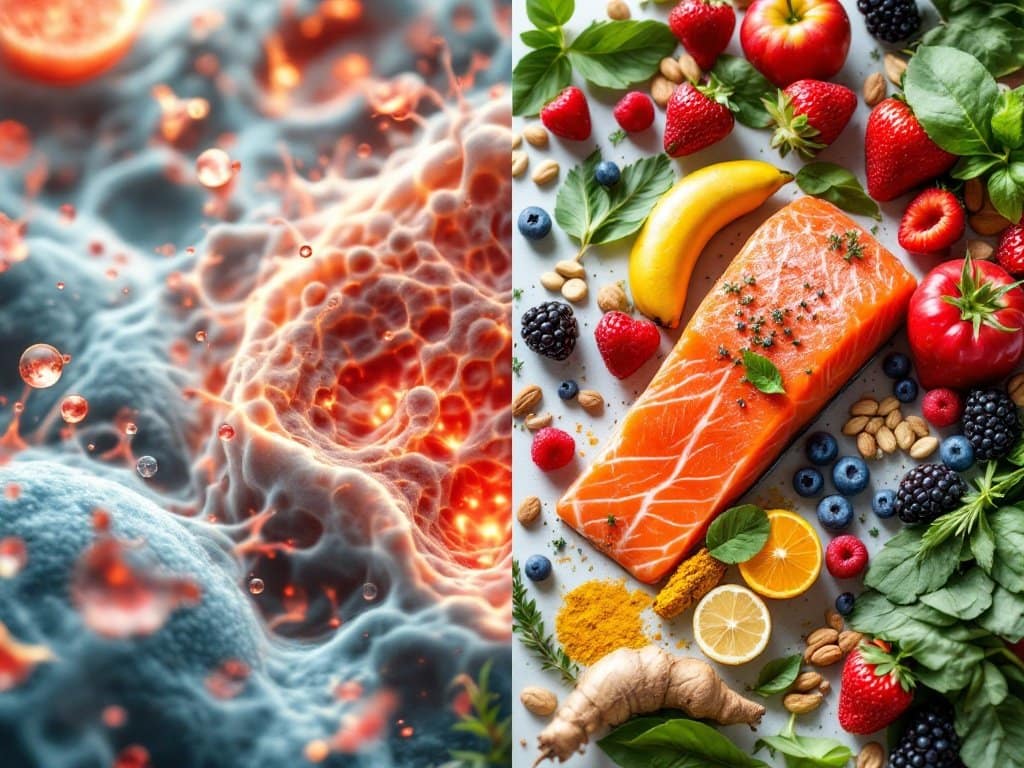
What Is Inflammation, and Why Does It Matter?
Inflammation is the body’s natural response to injury, infection, or harmful stimuli. While acute inflammation helps heal injuries and fight infections, chronic inflammation persists over time, even without an apparent cause. This prolonged, low-grade inflammation, known as inflammaging, is strongly linked to age-related diseases such as:
- Heart disease
- Diabetes
- Alzheimer’s disease
- Arthritis
Research suggests that chronic inflammation accelerates cellular damage, leading to premature aging and contributing to the development of these debilitating conditions.
Key Causes of Chronic Inflammation
Several factors drive chronic inflammation, including:
- Poor Diet: Diets high in processed foods, trans fats, and added sugars promote inflammation.
- Sedentary Lifestyle: Lack of physical activity exacerbates inflammatory processes.
- Chronic Stress: Persistent stress disrupts hormonal balance and immune function.
- Environmental Toxins: Pollution, smoking, and alcohol consumption increase inflammatory markers.
- Aging: The natural aging process itself triggers systemic inflammation.
Understanding these triggers can empower you to make healthier choices and reduce the impact of inflammation on your body.
How to Reduce Inflammation for Better Health
By adopting an anti-inflammatory lifestyle, you can combat inflammaging and promote long-term wellness. Here are evidence-backed strategies to help you get started:
1. Follow an Anti-Inflammatory Diet
The food you eat has a profound effect on inflammation. Prioritize:
- Fruits and vegetables: Rich in antioxidants and fiber, they help neutralize free radicals.
- Whole grains: Choose whole oats, quinoa, and brown rice over refined carbohydrates.
- Healthy fats: Include sources like olive oil, avocados, nuts, and seeds.
- Fatty fish: Salmon, mackerel, and sardines are high in omega-3 fatty acids, which reduce inflammation.
Avoid processed foods, sugary beverages, and trans fats, which are known to increase inflammatory responses.
2. Stay Physically Active
Engaging in regular exercise lowers inflammatory markers and supports a healthy immune system. Activities like walking, cycling, and yoga have been shown to reduce systemic inflammation. Aim for at least 150 minutes of moderate-intensity exercise per week.
3. Prioritize Quality Sleep
Poor sleep is linked to higher levels of inflammation. To improve sleep quality:
- Stick to a consistent sleep schedule.
- Create a calming bedtime routine.
- Avoid screens at least an hour before bed.
4. Manage Stress Levels
Chronic stress is a major driver of inflammation. Incorporate stress-reduction techniques into your daily routine, such as:
- Meditation
- Deep breathing exercises
- Mindfulness practices
5. Avoid Smoking and Limit Alcohol
Smoking and excessive alcohol consumption are well-established contributors to inflammation. Quitting smoking and moderating alcohol intake can significantly lower your risk of chronic disease.
6. Consider Supplements
Certain supplements, such as turmeric (curcumin), vitamin D, and probiotics, have anti-inflammatory properties. Always consult a healthcare provider before adding new supplements to your routine.
The Benefits of Reducing Inflammation
Taking steps to reduce inflammation not only supports healthy aging but also enhances overall well-being. Benefits include:
- Improved energy levels
- Enhanced mental clarity
- Reduced risk of chronic diseases
- Slower biological aging
By committing to these lifestyle changes, you can create a healthier, more vibrant future for yourself.
Conclusion
Inflammation plays a central role in aging and the development of chronic diseases. However, by addressing the root causes of chronic inflammation—through diet, exercise, stress management, and healthy habits—you can take control of your health and improve your quality of life. As you embark on this journey, remember that small, consistent changes can make a big difference in reducing inflammation and supporting longevity.
Explore my HUB for comprehensive resources, protocols, and routines to enhance your overall health and well-being—start your journey today!
References
- Franceschi, C., & Campisi, J. (2014). Chronic inflammation (inflammaging) and its potential contribution to age-associated diseases. The Journals of Gerontology: Series A, 69(Suppl_1), S4–S9. https://doi.org/10.1093/gerona/glu057
- Calder, P. C., et al. (2020). Health relevance of the modification of low-grade inflammation in ageing (inflammageing) and the role of nutrition. Ageing Research Reviews, 57, 100930. https://doi.org/10.1016/j.arr.2019.100930
- Harvard T.H. Chan School of Public Health. (2024). Healthy lifestyle choices can help control inflammation. https://www.hsph.harvard.edu/news/healthy-lifestyle-choices-inflammation
- Schwingshackl, L., & Hoffmann, G. (2014). Mediterranean dietary pattern and inflammation in adults: A systematic review and meta-analysis of observational studies. European Journal of Nutrition, 54(5), 763–773. https://doi.org/10.1007/s00394-014-0721-1
- Medzhitov, R. (2008). Origin and physiological roles of inflammation. Nature, 454(7203), 428–435. https://doi.org/10.1038/nature07201